
 Facebook
 X
X
 Pinterest
 Copy Link
7 Things I Would Do Before Selling My Home in San Diego
If I were getting ready to sell my own home, I wouldn’t start by putting a sign in the yard or immediately scheduling photos. I’d start by looking at the home through a buyer’s eyes.
After years of helping homeowners sell throughout San Diego, one thing has become clear: the preparation that happens before a home hits the market can have an enormous impact on how buyers perceive it, how confidently it is priced, and ultimately how smoothly the sale goes.
Not every home needs a major renovation. In fact, I often recommend the opposite. The goal is to identify the improvements that matter and present the property in a way that helps buyers immediately see its value.
Here are the seven things I would prioritize before selling my own home.
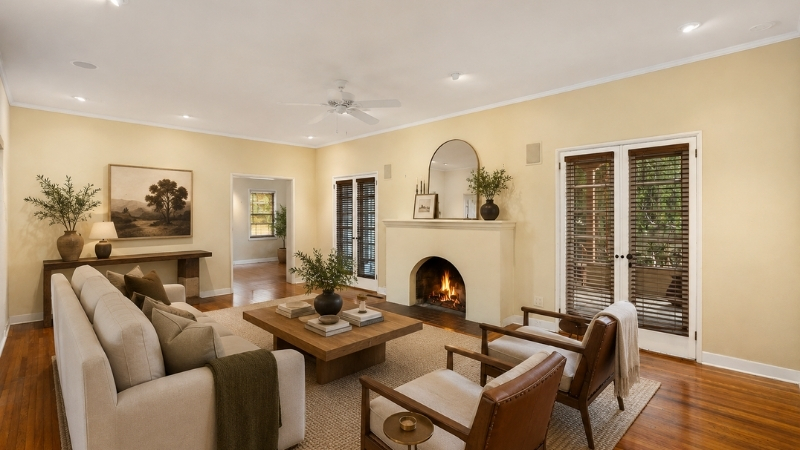
1. I’d Get a Professional Opinion Before Spending Money
This would be my first step.
Before painting the entire house, replacing countertops, installing new flooring, or starting a long list of projects, I would have an experienced local real estate agent walk through the property. Why? Because not every improvement produces a meaningful return when you sell.
A homeowner may be focused on an older bathroom while buyers are much more likely to notice worn flooring, dark paint, an overgrown yard, or poor furniture placement.
The right preparation strategy depends on:
- Your neighborhood
- Your price point
- Your home’s current condition
- Competing homes for sale
- Your likely buyer
- Your budget
- Your timeline
In some cases, $5,000 spent strategically can make a larger difference than $25,000 spent on improvements buyers weren’t asking for.
Before you renovate, you want to understand what the market actually values.
2. I’d Take Care of the Small Repairs I’ve Learned to Ignore
Every homeowner has them. The loose cabinet handle. The door that sticks. The burned-out light. The dripping faucet. The cracked outlet cover you’ve walked past for three years.
Individually, these things seem insignificant. Collectively, they can make buyers wonder how well the home has been maintained. Before listing, I would walk through the property room by room and create a simple repair list.
You don’t necessarily need to make an older home look brand new, but you want it to feel well cared for.
3. I’d Declutter More Than I Think I Need To
Most of us become accustomed to our homes. Buyers don’t. They’re taking everything in for the first time, often within a matter of minutes.
Too much furniture, décor, paperwork, kitchen appliances, toys, or personal belongings can make even a good-sized home feel smaller and harder to understand.
If I were preparing my own home for sale, I would probably remove 25–30% more than initially feels necessary.
I would simplify:
- Kitchen countertops
- Bathroom counters
- Bookshelves
- Closets
- Garage storage
- Nightstands
- Children’s rooms
- Home offices
- Entryways
This isn’t about making your home feel empty. It’s about creating enough visual breathing room that buyers notice the home itself instead of your belongings. There’s also a practical benefit: if you’re selling, you’re going to have to pack eventually. Starting early makes moving easier too.
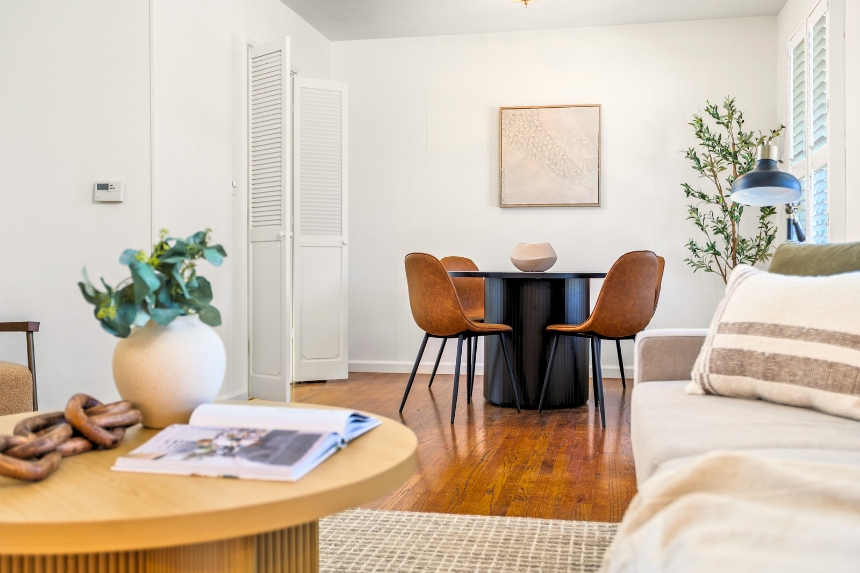
4. I’d Make the Home Feel Lighter and Brighter
Light dramatically changes how a property feels. Before spending money on large cosmetic improvements, I would look for inexpensive ways to make every room feel brighter.
That might mean:
- Cleaning the windows
- Opening blinds and curtains
- Removing heavy window treatments
- Trimming vegetation blocking natural light
- Replacing burned-out bulbs
- Using consistent light temperatures
- Adding lamps to darker spaces
- Painting particularly dark or heavily personalized rooms
Natural light photographs beautifully and can make rooms feel larger and more inviting during showings.
One surprisingly common mistake is using different types of light bulbs throughout the same room. One fixture is warm yellow, another is bright white, and another has a bluish tone. It seems minor until you see it in listing photography. Consistency helps create a much more polished presentation.
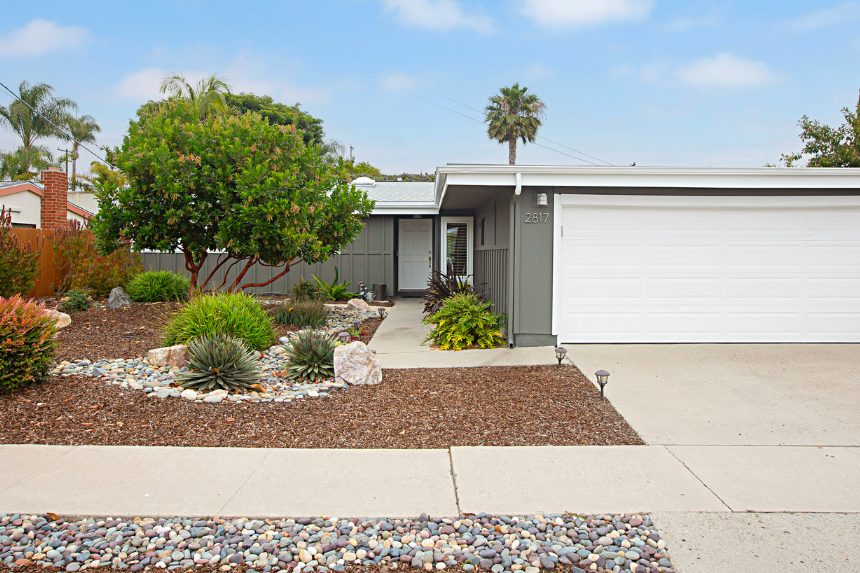
5. I’d Spend Time on the First 30 Seconds
Buyers start forming an opinion before they ever walk through the front door. That makes curb appeal one of the highest-value areas to address before selling a home. I wouldn’t necessarily invest in elaborate new landscaping. I would focus on making the property feel clean, intentional, and welcoming.
That could include:
- Trimming landscaping
- Removing weeds
- Refreshing mulch
- Cleaning walkways
- Power washing where appropriate
- Washing the front door
- Updating tired house numbers
- Removing unnecessary pots or decorations
- Cleaning exterior windows
- Adding simple, healthy plants near the entrance
For many San Diego homes, outdoor living is part of the lifestyle buyers are purchasing. Patios, courtyards, decks, balconies, and backyards deserve the same attention as the interior. The question I would ask is: Does the home make me want to walk inside?
6. I’d Decide What Story the Home Should Tell
This is the step many sellers skip. A successful listing isn’t simply a collection of rooms and property features. It should communicate a lifestyle.
A 1930s Spanish home in Talmadge should not necessarily be marketed the same way as a contemporary condo in Downtown San Diego or a family home in Serra Mesa.
Each property has something that makes it compelling. I would identify the home’s strongest attributes before photography, staging, and marketing begin.
Then I would make sure everything supports that story. From furniture placement and photography to the listing description, social media, video, and open houses. Good marketing doesn’t manufacture value. It makes existing value easier for buyers to recognize.
7. I’d Have the Pricing Conversation Before Going on the Market
Finally, I would want to understand exactly where my home sits in the current San Diego real estate market. Not based on what a neighbor sold for two years ago. Not based on what I spent renovating. And not based solely on an online home valuation.
Pricing isn’t simply about determining what a house is “worth.” It’s also about positioning. The first days a property is on the market are incredibly important because that’s when it has the greatest concentration of buyer attention.
I would rather enter the market with a thoughtful pricing strategy than list too high with the assumption that I could always reduce the price later. You only get one opportunity to be the new listing.
What I Wouldn’t Do Before Selling
Just as important is knowing what not to do.
I wouldn’t automatically:
- Remodel the entire kitchen
- Replace every older feature
- Choose upgrades based solely on my personal taste
- Assume every improvement will increase the sale price dollar-for-dollar
- Start expensive projects before understanding the likely buyer
- Put the home on the market before it is ready
Sometimes the best recommendation is a renovation. Sometimes it’s staging, paint, landscaping, or repairs. And sometimes the smartest strategy is to sell the property largely as-is. The answer depends on the house.
Thinking About Selling a Home in San Diego?
Preparing a home for sale isn’t about making it perfect. It’s about determining which improvements will have the greatest impact and presenting the property in its best possible light. If you’re considering selling your home in San Diego, I recommend starting the conversation before you’re ready to put it on the market. That gives you time to evaluate repairs, improvements, staging, pricing, and timing without feeling rushed. At LH Real Estate Group, we help homeowners build a customized preparation and marketing strategy around their property, neighborhood, goals, timeline, and budget.
If you’re wondering what I would change, or wouldn’t change, before selling your home, let’s start with a walkthrough. Sometimes knowing what you don’t need to spend money on is just as valuable as knowing what you do.
